
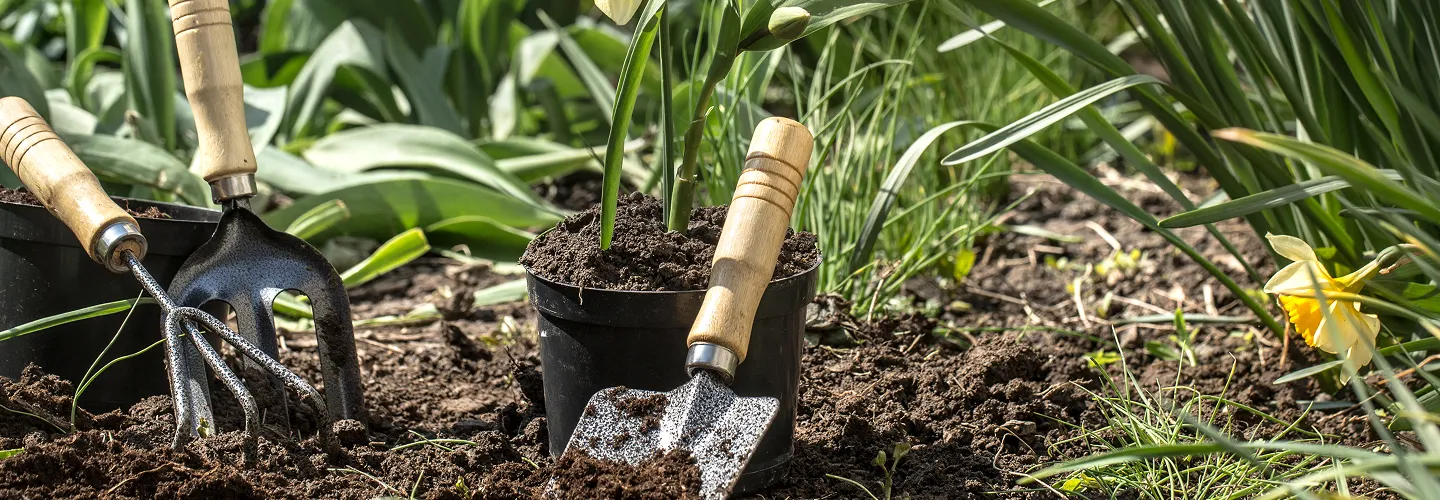
Farmington Lawn Renovation Services
Choose our Lawn Renovation services for a lush, healthy yard—our experienced team uses proven techniques and premium materials to restore your lawn’s beauty and resilience, ensuring long-lasting results you’ll love.
Get a Free QuoteOur Farmington Landscaping & Yard Care Services
When to Schedule Lawn Renovation in Farmington, Connecticut – Seasonal Guide
In Farmington, Connecticut, the best times for lawn renovation are typically early fall and late spring. These periods align with moderate temperatures, consistent rainfall, and optimal soil conditions, which are crucial for establishing healthy turf. Farmington’s climate features cold winters and warm, humid summers, so timing your renovation to avoid extreme heat or frost is essential. For example, neighborhoods near Batterson Park or along the Farmington River often experience microclimates—such as increased shade or higher humidity—that can influence the success of seeding and soil treatments.
Local environmental factors like the average last frost date in late April and the risk of summer droughts should guide your planning. Areas with dense tree coverage, such as those near Winding Trails, may require special attention to soil acidity and sunlight exposure. Additionally, Farmington’s varied terrain and occasional municipal watering restrictions can impact renovation schedules. For more information on local environmental guidelines, visit the Sudbury municipal site.
Local Factors to Consider for Lawn Renovation in Farmington
- Tree density and shade coverage
- Soil type and drainage, especially in river-adjacent neighborhoods
- Average precipitation and risk of summer drought
- Frost dates and seasonal temperature swings
- Terrain slope and erosion risk
- Municipal watering restrictions or ordinances
Benefits of Lawn Renovation in Farmington
Enhanced Curb Appeal
Improved Soil Health
Weed and Pest Reduction
Thicker, Greener Lawns
Increased Property Value
Customized Landscaping Solutions
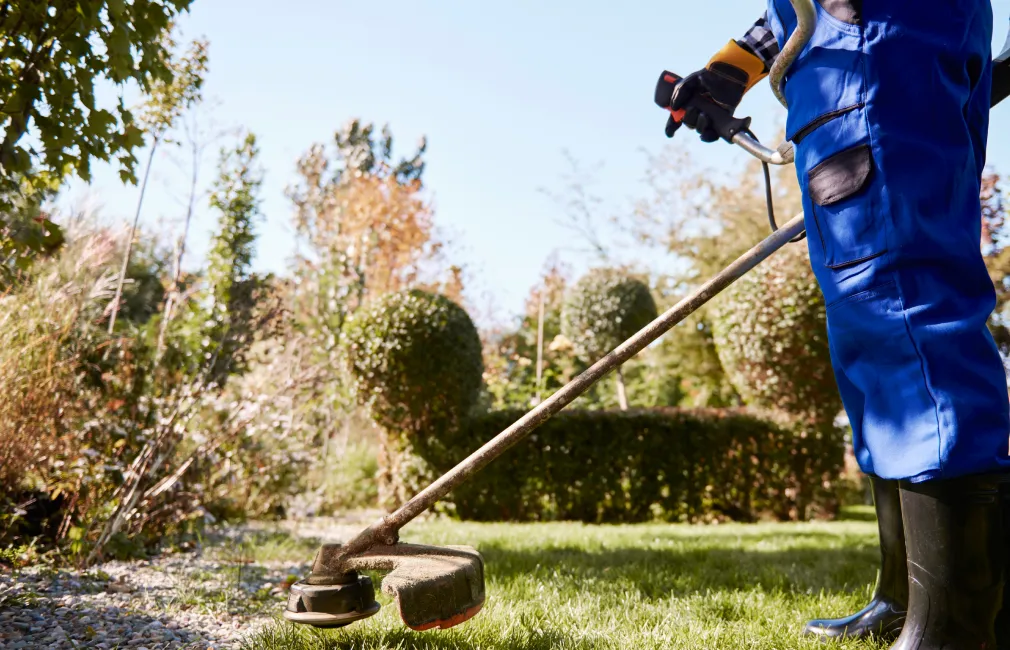
Farmington Lawn Renovation Types

Sod Installation
-
Overseeding
-
Aeration and Dethatching
-
Topdressing
-
Soil Amendment
-
Weed and Pest Control
-
Hydroseeding
Our Lawn Renovation Process
Site Evaluation
Soil Preparation
Seeding or Sodding
Watering and Fertilization
Ongoing Maintenance
Why Choose Farmington Landscape Services
-
Farmington Homeowners Trust Us
-
Expert Lawn Maintenance
-
Reliable Seasonal Cleanup
-
Competitive Pricing
-
Professional Team
-
Satisfaction Guarantee
-
Personalized Service
Farmington’s Glacial Till Soils: Implications for Lawn Renovation
Farmington’s predominant soils, as identified by the USDA Web Soil Survey, are Inceptisols and Ultisols formed from glacial till. These soils are typically rocky, moderately acidic (pH 5.5–6.5), and often poorly drained, especially in low-lying areas. For effective lawn renovation, core aeration should reach a depth of 2–3 inches to address compaction and improve root penetration. Lime application is recommended if soil pH falls below 6.0, with rates determined by a laboratory soil test. Compost incorporation—2–3 inches tilled to a 6-inch depth—can enhance organic matter and drainage. Soil testing is available through UConn Extension for a typical fee of $15–25. These site-specific practices are essential for establishing resilient turfgrass in Farmington’s unique soil environment.
Seasonal Timing and Weather Considerations for Lawn Renovation in Farmington
Farmington is located in USDA Hardiness Zone 6b, with a growing season typically from mid-April to late October. Optimal periods for lawn renovation are April 15–May 30 (spring) and August 20–September 30 (fall), when soil temperatures range from 50–65°F. Avoid renovation during June–August due to heat stress and drought risk. The National Weather Service Boston/Norton office provides local forecasts to guide timing around rainfall and temperature fluctuations. Key timing guidelines include:
- Spring seeding: April 15–May 30
- Fall seeding: August 20–September 30
- Fertilization: Early May and September
- Avoid renovation during summer heatwaves Monitoring weather and soil conditions ensures successful establishment and minimizes environmental impact.
Municipal Coordination: Farmington’s Yard Waste Collection and Renovation Debris Disposal
Proper disposal of renovation debris is regulated by Farmington’s municipal programs. Yard waste collection occurs weekly on Thursdays from April through November. Accepted materials include grass clippings, leaves, and brush under 4 feet in length, placed in biodegradable bags or reusable 32-gallon bins. Plastic bags and branches over 4 inches in diameter are prohibited. Residents must comply with these requirements to avoid fines and ensure compliance with the town’s MS4 stormwater permit under the Clean Water Act. For detailed collection schedules and regulations:
Farmington Department of Public Works
1 Monteith Drive, Farmington, CT 06032
Phone: (860) 675-2550
Official Website: Farmington Department of Public Works
The department provides up-to-date information on collection procedures and debris drop-off locations.
Environmental Compliance: Wetland Buffers and Stormwater Management in Farmington
Lawn renovation projects near Farmington’s wetlands, such as those adjacent to the Farmington River or local conservation areas, must observe a 25-foot no-disturbance buffer from wetland boundaries. The Connecticut Environmental Protection Act and the town’s MS4 permit prohibit the discharge of grass clippings or soil into storm drains. Fertilizer and pesticide applications are restricted within 50 feet of water bodies to protect water quality. The Connecticut Department of Energy and Environmental Protection (CT DEEP) enforces these requirements, and the EPA Region 1 office provides additional oversight. For local permitting and compliance:
Farmington Conservation and Inland Wetlands Commission
1 Monteith Drive, Farmington, CT 06032
Phone: (860) 675-2325
Official Website: Farmington Conservation and Inland Wetlands Commission
Strict adherence to these regulations is required for all renovation activities near sensitive areas.
Equipment Operation and Safety Standards for Lawn Renovation in Farmington
Farmington enforces municipal noise ordinances for outdoor equipment. Permitted operation hours are:
- Monday–Friday: 7:00 AM – 7:00 PM
- Saturday: 8:00 AM – 6:00 PM
- Sunday and holidays: Prohibited All operators must use commercial-grade equipment with functioning mufflers, and noise levels should not exceed 85 decibels at property lines. Personal protective equipment (PPE) is mandatory, including ANSI Z87.1 safety glasses, hearing protection for noise above 85 dB, steel-toed boots, and cut-resistant gloves. When working near public roads or utilities, maintain a 15-foot clearance and use high-visibility vests. For questions on local safety standards:
Farmington Department of Public Works
1 Monteith Drive, Farmington, CT 06032
Phone: (860) 675-2550
Official Website: Farmington Department of Public Works
Compliance with these standards ensures safe and lawful renovation practices.
What Neighborhoods Do We Serve Throughout Farmington, CT?
- Unionville: Characterized by older homes and mature trees, Unionville often presents compacted soils and drainage challenges, requiring deep aeration and careful debris management near the Farmington River.
- Farmington Village: This historic district features smaller lots and established turf, with glacial till soils and proximity to conservation areas necessitating strict buffer compliance and careful material selection.
- East Farmington: Newer developments with larger lots and moderate slopes, where soil compaction from construction is common and renovation may require additional soil amendment.
- Talcott Notch: Hilly terrain and rocky soils demand specialized equipment for aeration and seeding, with attention to runoff control on slopes.
- Scott Swamp: Low-lying, poorly drained soils near wetlands require adherence to wetland buffer regulations and careful scheduling to avoid saturated conditions.
- Devonwood: Planned community with HOA landscaping standards, where uniform turf appearance and compliance with community guidelines are essential.
- Farmington Heights: Elevated area with variable soil depth and exposure, requiring drought-tolerant turf species and attention to wind erosion during renovation.