
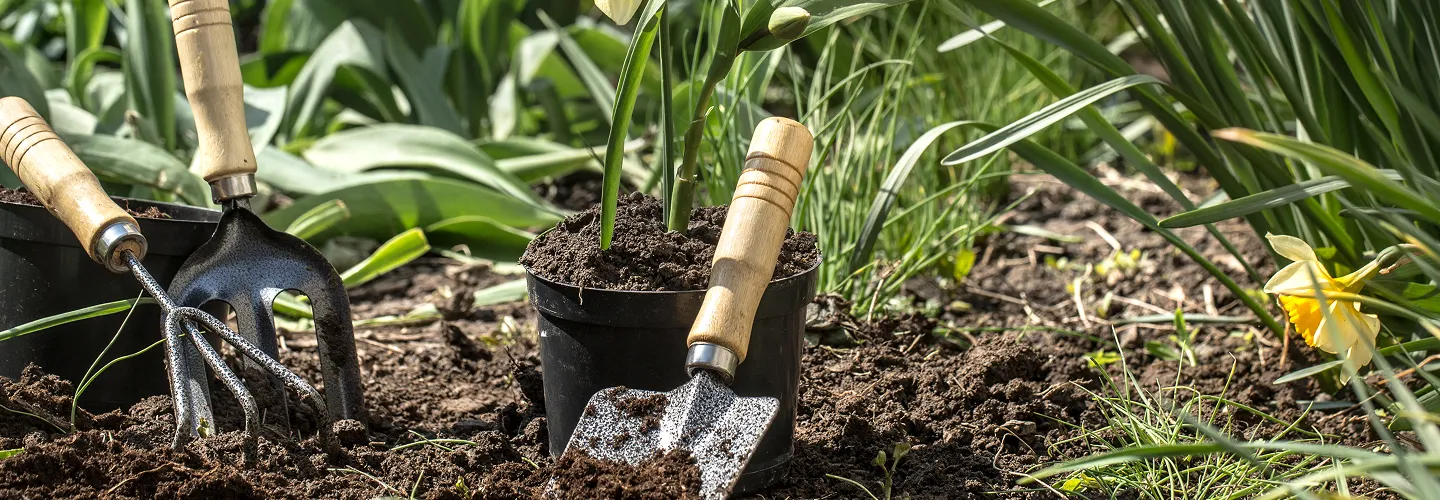
Farmington Lawn Seeding Services
Choose our expert lawn seeding services for a lush, resilient yard—our proven methods ensure even growth, improved soil health, and long-lasting results you can enjoy season after season.
Get a Free QuoteOur Farmington Landscaping & Yard Care Services
When to Schedule Lawn Seeding in Farmington, Connecticut – Seasonal Guide
In Farmington, Connecticut, the best time to schedule lawn seeding is typically late summer through early fall. This period, from late August to mid-September, offers ideal soil temperatures and consistent rainfall, which help new grass establish strong roots before winter. The local climate, with its distinct seasons and moderate humidity, means spring seeding is also possible, but fall is generally preferred to avoid competition with weeds and the risk of summer drought.
Farmington’s neighborhoods, such as Devonwood and the areas surrounding Winding Trails, often feature a mix of shaded and sunny lawns, as well as varying soil types from sandy loam to clay. Homeowners should consider local frost dates—usually mid-October—and the potential for late-summer heat waves. Additionally, municipal guidelines and resources, such as those found on the Town of Sudbury’s website, can provide helpful information on best practices and any seasonal restrictions.
Local Factors to Consider for Lawn Seeding in Farmington
- Tree density and shade coverage, especially in established neighborhoods like West District
- Soil composition and drainage, which can vary between river-adjacent properties and upland areas
- Average precipitation and risk of late-summer drought
- Frost dates and temperature fluctuations in early fall
- Terrain slope, which affects water retention and seed washout
- Municipal restrictions or recommendations on watering and fertilization
Benefits of Lawn Seeding in Farmington
Thicker, Healthier Lawns
Improved Curb Appeal
Weed and Pest Resistance
Customized Seed Blends
Expert Local Knowledge
Cost-Effective Lawn Solutions

Farmington Lawn Seeding Types

Cool-Season Grass Seeding
-
Warm-Season Grass Seeding
-
Overseeding Existing Lawns
-
Erosion Control Seeding
-
Native Grass Seeding
-
Shade-Tolerant Grass Seeding
-
Drought-Resistant Grass Seeding
Our Lawn Seeding Process
Site Evaluation
Soil Preparation
Seed Selection
Seeding Application
Watering and Maintenance
Why Choose Farmington Landscape Services
-
Farmington Homeowners Trust Us
-
Expert Lawn Maintenance
-
Reliable Seasonal Cleanup
-
Competitive Pricing
-
Professional Team
-
Satisfaction Guarantee
-
Personalized Service
Farmington’s Glacial Till Soils: Implications for Lawn Seeding Success
Farmington’s predominant soils, as identified by the USDA Web Soil Survey, are Inceptisols and Ultisols formed from glacial till. These soils are often rocky, moderately acidic (pH 5.5–6.5), and can exhibit poor drainage, especially in low-lying areas. For optimal lawn seeding, it is essential to address compaction and stoniness by core aerating to a depth of 2–3 inches and removing surface debris. Soil testing is recommended every 2–3 years, with amendments such as lime for pH below 6.0 and compost incorporation (2–3 inches tilled to 6-inch depth) to improve structure. Residents can access soil testing and amendment guidance through UConn Extension. These practices are especially important in neighborhoods with historic fill soils or near the Farmington River, where drainage and nutrient retention can vary significantly.
Seasonal Timing and Weather Considerations for Lawn Seeding in Farmington
Farmington’s climate, classified as USDA Hardiness Zone 6b, features cool springs and moderate autumns, making timing critical for lawn seeding. The optimal seeding windows are April 15–May 30 (when soil temperatures reach 50–65°F) and August 20–September 30 (before first frost, typically late October). Avoid seeding during June–August due to heat stress and increased weed competition. For up-to-date soil temperature and precipitation forecasts, consult the National Weather Service Boston/Norton office. Key timing guidelines include:
- Spring seeding: April 15–May 30
- Fall seeding: August 20–September 30
- Fertilization: Early May and September for cool-season grasses
- Avoid: June–August (heat stress period) Proper timing ensures rapid germination and establishment, reducing erosion and runoff risks.
Municipal Coordination and Compliance with Farmington’s Lawn Seeding Regulations
Lawn seeding activities in Farmington must comply with local ordinances regarding equipment operation, noise, and property maintenance. Equipment operation is permitted:
- Monday–Friday: 7:00 AM – 7:00 PM
- Saturday: 8:00 AM – 6:00 PM
- Sunday and holidays: Prohibited All seeding and soil disturbance within 100 feet of wetlands or watercourses require review by the Conservation and Inland Wetlands Commission. Maintain a 25-foot no-disturbance buffer from wetlands and a 50-foot setback from property lines in regulated areas. For questions on compliance, permits, or buffer requirements:
Farmington Conservation and Inland Wetlands Commission
1 Monteith Drive, Farmington, CT 06032
Phone: (860) 675-2325
Official Website: Farmington Conservation and Inland Wetlands Commission
Environmental Protection and Stormwater Management in Farmington Lawn Seeding
Farmington is subject to MS4 stormwater regulations under the Connecticut Environmental Protection Act and the Clean Water Act. It is prohibited to allow grass clippings, seed, or soil to enter storm drains or water bodies. Maintain a 25-foot buffer from wetlands and 50 feet from the Farmington River and its tributaries. Fertilizer and pesticide applications must not occur within 50 feet of water bodies. Residents are encouraged to use native grass species such as Kentucky bluegrass (Poa pratensis) and fine fescue (Festuca rubra) to reduce runoff and chemical use. For further guidance on stormwater compliance:
Farmington Department of Public Works
1 Monteith Drive, Farmington, CT 06032
Phone: (860) 675-2550
Official Website: Farmington Department of Public Works
What Neighborhoods Do We Serve Throughout Farmington, CT?
- Unionville: Characterized by older residential lots with compacted glacial till soils and proximity to the Farmington River, requiring careful drainage management and buffer compliance.
- Farmington Village: Features historic properties with mature trees and variable soil pH, often necessitating lime application and core aeration for successful seeding.
- East Farmington: Newer developments with moderate slopes and engineered fill soils, where erosion control and proper seed selection are critical.
- Talcott Notch: Hilly terrain with shallow, rocky soils and high runoff potential, demanding soil amendment and erosion prevention measures.
- Scott Swamp: Low-lying area with poorly drained soils and frequent wetland buffers, requiring strict adherence to setback and buffer regulations.
- Devonwood: Planned community with HOA landscaping standards, uniform lot sizes, and irrigation infrastructure, supporting consistent seeding practices and species selection.
- Farmington Heights: Elevated area with exposed soils and wind exposure, where drought-tolerant grass varieties and mulching are recommended.